 By hoodedrobin.com
 Tax season hasn’t really started yet.
But the stress already has.
If you’re avoiding your mailbox, side-eyeing your inbox, or telling yourself “I’ll deal with it later,” you’re not irresponsible — you’re underinformed. And the system quietly relies on that.
This post is your orientation. Not scare tactics. Not loopholes. Just enough clarity to lower your blood pressure and get you moving.
TL;DR (read this if your brain is tired)
- You’re not behind.
- Missing tax forms is common and fixable.
- Free, legit help exists (most people never hear about it).
- The IRS is a process, not a predator.
Now let’s slow it down.
First: you are not late, broken, or “in trouble”
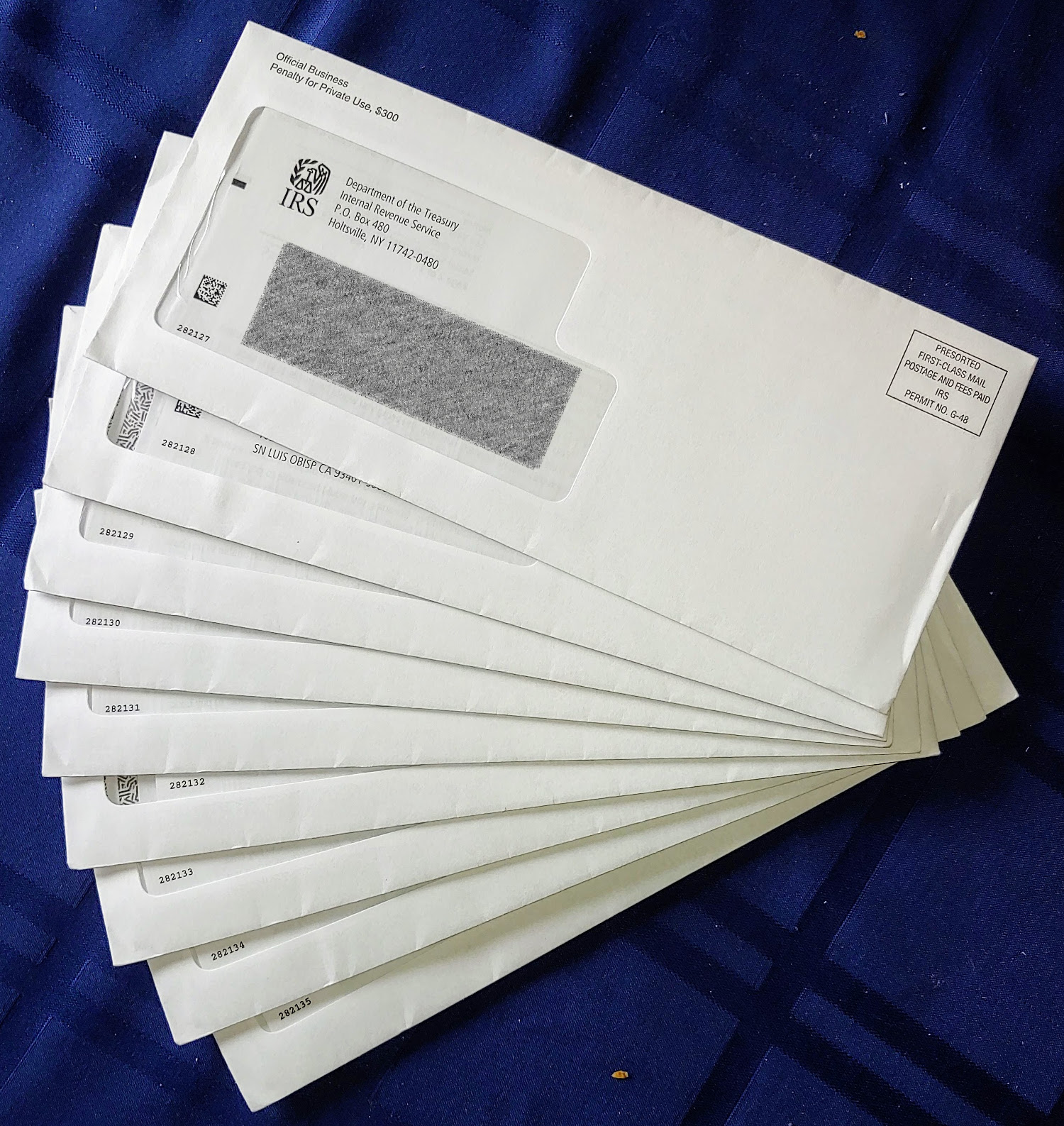
Every January, millions of people feel the same low-grade dread. Not because they did something wrong — but because nobody ever explained how tax season actually works.
Confusion creates fear.
Fear creates avoidance.
Avoidance creates real problems.
We’re cutting that loop here.
The first real blocker: “I don’t even have my W-2”
This is where most people freeze.
Jobs change. People move. Employers mess up. Mail disappears. None of this is rare.
Here’s the clean, adult way to handle it:
Step 1: Contact the employer
They are required to provide your W-2. Email or call HR/payroll. Keep it boring and documented.
Step 2: Don’t wait forever
If it’s late February and nothing shows up, you don’t just sit there sweating.
Step 3: Use the IRS as a backup
The IRS keeps wage records. You can request a wage and income transcript if needed. That exists for this exact situation.
Missing a form is not a crime.
Ignoring the situation indefinitely is where stress multiplies.

One IRS fact that instantly reduces fear
Let’s clear the biggest myth early:
The IRS does not expect perfection. It expects participation.
The system is built on paperwork, timelines, and communication — not ambushes.
Most IRS contact starts as:
- a letter
- asking for clarification
- giving you time to respond
No flashing lights. No courtroom drama. No “gotcha.”
Understanding this changes how you move.
Your first-line help: free and criminally underused
What it is:
- IRS-backed
- Free
- Legit
Before you pay anyone or panic-file, you should know about VITA — Volunteer Income Tax Assistance.
Who it’s best for:
- Low-to-moderate income filers
- Simple returns
- W-2 workers
- Seniors
Why people miss it:
- It’s not advertised
- Confusion is profitable elsewhere
VITA exists to help people file correctly, not to upsell or intimidate.
DIY filing is valid (when your situation is simple)
If you:
- worked regular jobs
- have standard forms
- aren’t running a business
- aren’t juggling multiple states
You can often file yourself safely.
DIY isn’t reckless.
It’s appropriate when the situation is straightforward.
Later in the season, we’ll talk about when not to DIY — but right now, the goal is confidence, not complexity.

A quick reality check about fear
Most tax anxiety comes from not knowing the rules of engagement.
You are not being judged.
You are being processed.
That distinction matters.
What this series will walk you through
This isn’t a one-off post. It’s a season-long guide that follows the emotional reality of tax time.
We’ll cover:
- what refunds really are (and who they actually benefit)
- side income, Cash App, and 1099 fear — without shame
- what actually triggers IRS attention (and what doesn’t)
- why wealthy taxpayers play a different game — legally
Each post builds on the last. No overwhelm. No panic spirals.
Final grounding thought
Tax season isn’t designed to explain itself.
Confusion fills that gap — and confusion is expensive.
Clarity is the antidote.
This is the starting line.