 By hoodedrobin.com
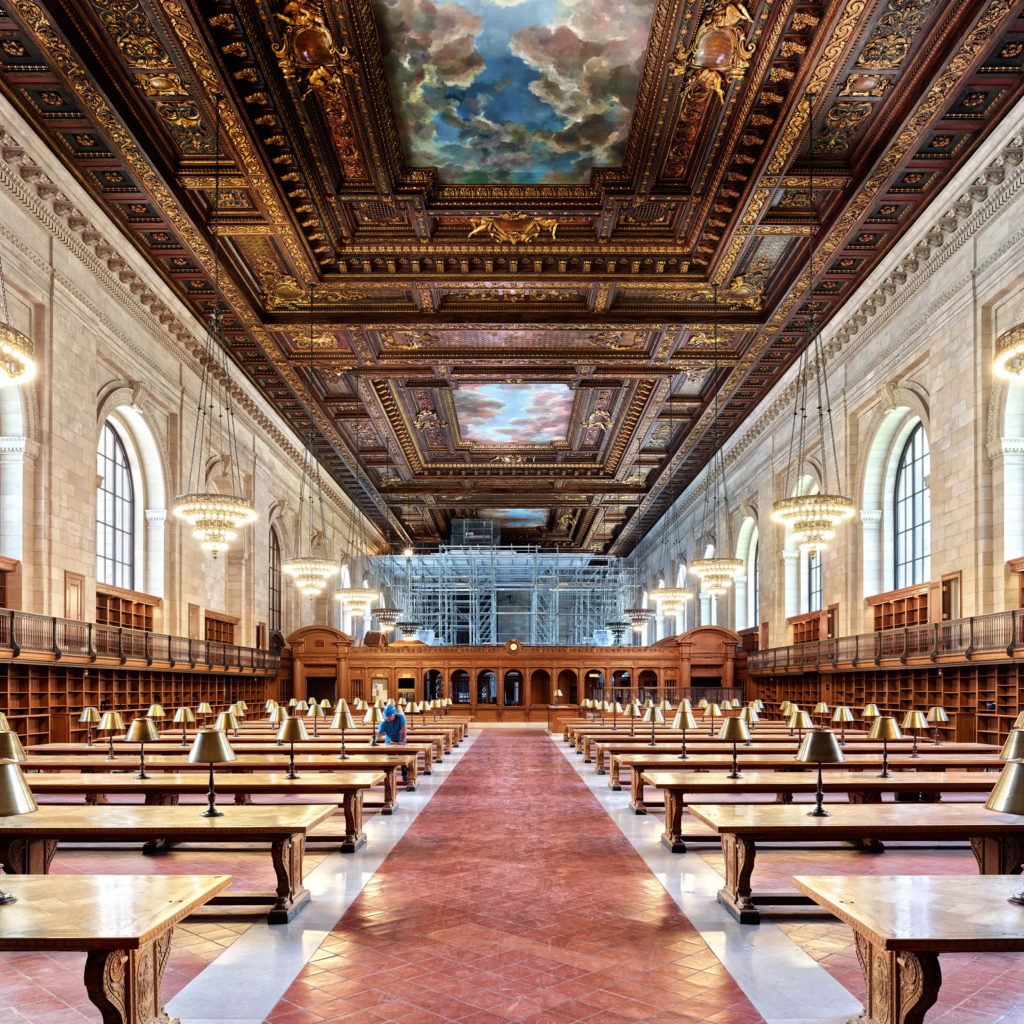
 There’s a strange building sitting in nearly every American city.
Most people walk in to:
- print a document
- use the Wi-Fi
- cool off in the air conditioning
Then they leave.
But hidden in plain sight is something far more powerful.
The public library might be the richest free building in America.
Not because it holds money.
Because it holds knowledge — the one resource that has historically created more wealth than anything else.
The Billionaire Who Started the Library Revolution
The modern library system didn’t appear by accident.
It was largely built by Andrew Carnegie, one of the richest men who ever lived.
Carnegie was born poor in Scotland and immigrated to America as a child. His family struggled financially, and formal education was limited.
But a generous businessman allowed working-class boys to borrow books from his private library.
That simple opportunity changed Carnegie’s life.
Through reading, he educated himself about business, economics, and industry. Eventually he built Carnegie Steel, which made him one of the wealthiest industrialists in history.
Instead of hoarding his wealth, he funded something radical.
He built over 2,500 public libraries around the world.
They became known as Carnegie Libraries, and many are still standing today.
Carnegie believed libraries were society’s greatest investment.
His philosophy was simple and powerful:
“A library outranks any other one thing a community can do to benefit its people.”
Oprah Winfrey: From Poverty to Paying It Forward
Books became her escape.
Libraries allowed her to explore worlds beyond her environment, feeding her curiosity and imagination.
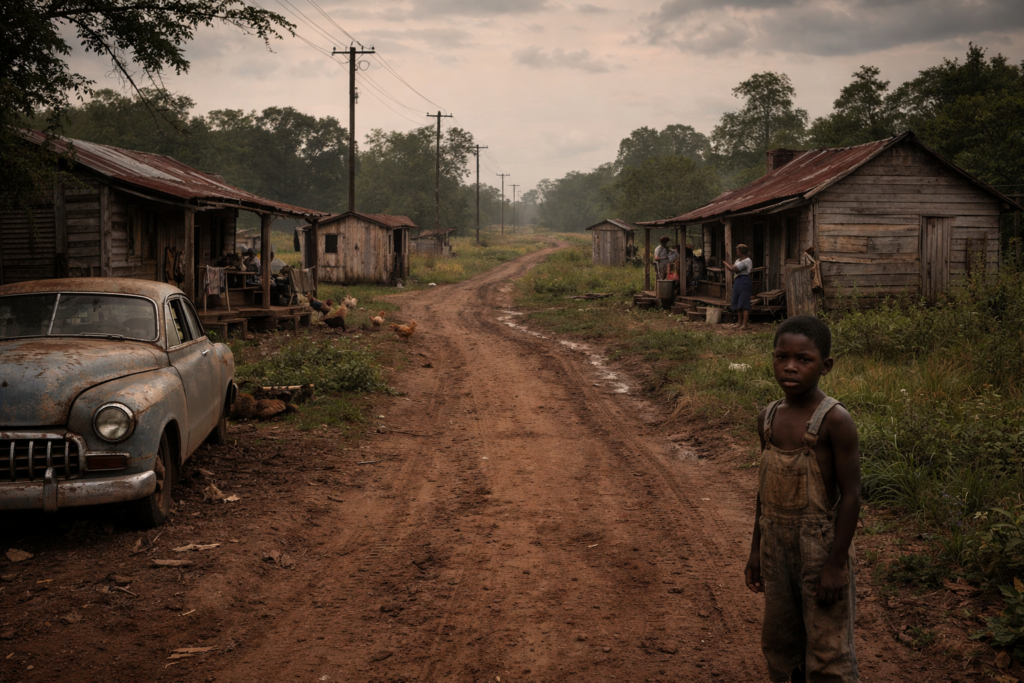
Before becoming a global icon, Oprah Winfrey grew up in deep poverty in rural Mississippi.
Books and libraries gave her something rare:
a window into a different life.
But what makes Oprah’s story even more powerful isn’t just her rise.
It’s what she did after she made it.
Instead of closing the door behind her, Oprah turned around and opened it for others.
She has invested millions into education, including founding the Oprah Winfrey Leadership Academy for Girls in South Africa.
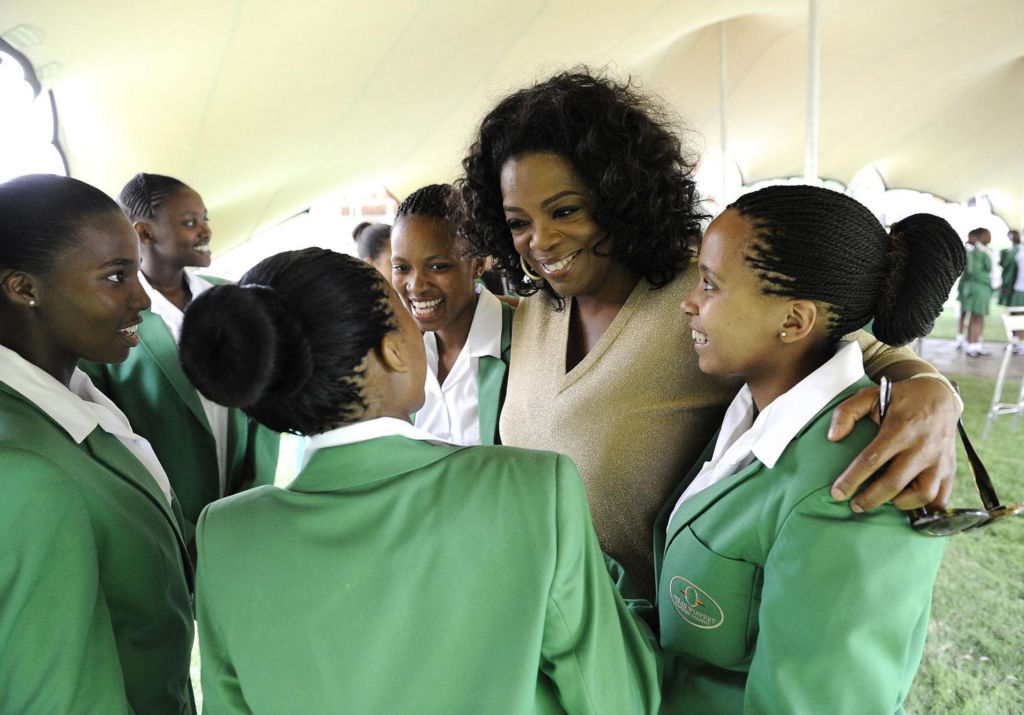
The academy was created to give young girls—many from disadvantaged backgrounds—the same thing that changed Oprah’s life:
access to education and opportunity.
Beyond that, Oprah has:
- funded scholarships for countless students
- supported schools and literacy programs
- promoted reading through her influential Book Club
- donated millions to educational causes
Her impact goes far beyond her personal success.
She helped create new success stories.
The Real Power of Education
Oprah’s journey shows something deeper than fame or wealth.
It shows how education creates a chain reaction.
One person learns.
That person rises.
Then that person lifts others.
That’s how knowledge multiplies.
And that’s why places like libraries matter so much.
They don’t just change individual lives.
They create people who go on to change other lives.
💥She didn’t just escape poverty—she built bridges so others could cross too.

Those reading habits eventually shaped the storytelling ability and empathy that made her famous.
Later, her Oprah’s Book Club would turn unknown authors into best-selling writers and influence millions of readers.
The chain reaction started with a simple library card.
Howard Stephen Berg: Turning Reading Into a Superpower
Another fascinating example is Howard Stephen Berg, once recognized by Guinness World Records as the fastest reader in the world.
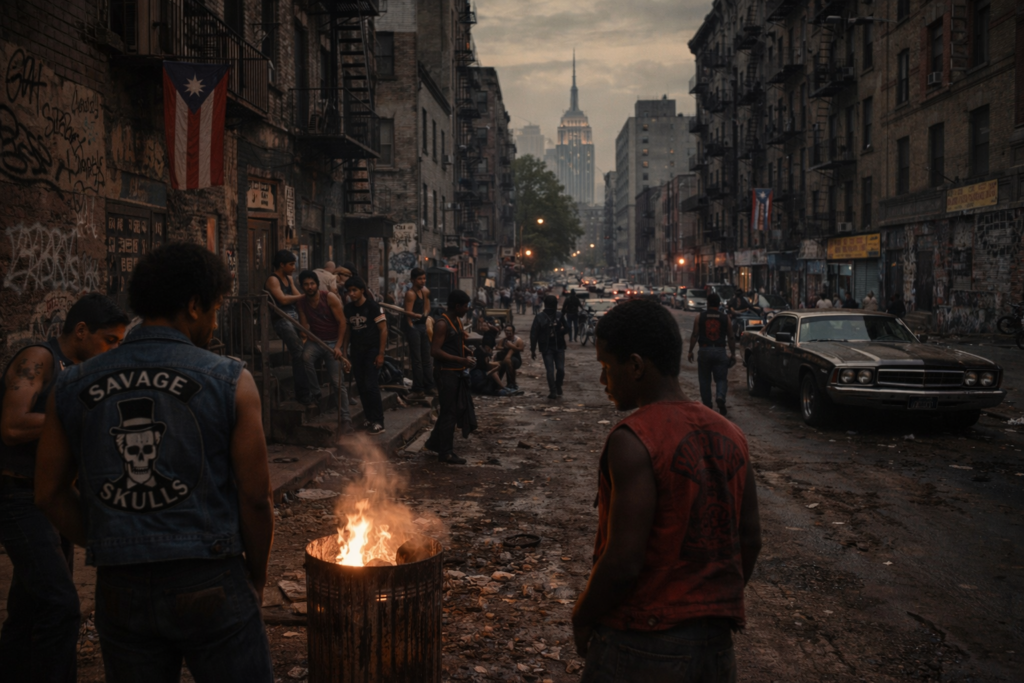
Berg’s journey started inside New York libraries. As a young person trying to avoid gangs and street trouble, he spent long hours reading and studying in quiet reading rooms.
Those thousands of hours eventually turned into an extraordinary ability: the power to read and comprehend massive amounts of information at incredible speed.

But Berg didn’t keep the skill to himself.
Instead, he spent much of his career teaching others how to read faster and learn more effectively.
Through interviews, seminars, and books, he has explained the techniques he developed while studying in libraries. His work focuses on improving:
- reading speed
- memory
- comprehension
- learning efficiency
Berg has also worked with students and young people, teaching strategies designed to help them move through school material faster and understand complex subjects more easily.

In many of his programs he has claimed that students can dramatically improve their reading ability and even advance academically once they learn how to process information more efficiently.
In other words, the library didn’t just give Berg knowledge.
It gave him a method for learning itself—a method he later tried to pass on to others.
Libraries create people who then help educate others. Therefore, knowledge multiplies… that’s the real wealth machine.
Credible Sources:
Library of Congress – The 2026 Library of Congress National Book Festival is part of the Library’s celebration of the nation’s semiquincentennial, America 250: It’s Your Story. The Library is inviting all Americans to further appreciate American history by exploring the Library’s collections and programs on a variety of topics, including the Library’s beloved literary festival.
Pew Research Center (for education stats)
U.S. Department of Education – The mission of the Department of Education (ED) is to promote student achievement and preparation for global competitiveness by fostering educational excellence and ensuring equal access for students of all ages. Learn more about our mission, offices within ED, key initiatives, and more.
Oprah’s Leadership Academy site – The Oprah Winfrey Leadership Academy for Girls is a forward-thinking, ‘cutting edge’ all-girls school with a focus on learning. ‘Strategy 2025’ defines – the key objective of the academic team – the provision of excellent and high-quality education, and skills that will prepare the girls for the future.
Frequently Asked Questions
Are libraries really free to use?
Yes. Most public libraries offer free access to books, internet, research databases, and learning tools funded by local communities and government programs.
Can you actually make money using a library?
Yes. Libraries provide free access to business resources, market research, and online courses that can help people build income streams like freelancing, blogging, or investing.
Why are libraries important in the digital age?
Libraries offer something the internet doesn’t: focused learning environments, curated knowledge, and access to paid resources for free.
What successful people used libraries to get ahead?
Many successful individuals used libraries for self-education, including Andrew Carnegie, Oprah Winfrey, and Frederick Douglass.
Are libraries still relevant today?
Yes. In fact, they may be more valuable than ever because they provide free access to digital tools, education, and quiet workspaces in an increasingly expensive world.